
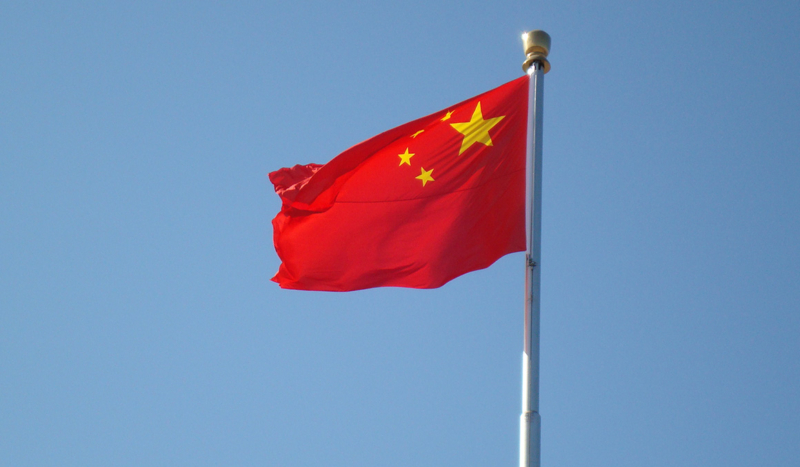
radiowood / Flickr
China’s National Religious Affairs Administration this month released new restrictions for the online activity of clergy in a move that a watchdog warns “may be one of the most technologically invasive” measures the Chinese Communist Party has imposed on religious life.
“In the age of digital ministry, where sermons stream and prayers ping, the regulation feels like a deliberate attempt to unplug the sacred from the social,” reads the Sept. 18 report in Bitter Winter, an online publication on human rights and religious freedom. “The clergy may still speak — but only through the Party’s megaphone.”
The report penned by Zhu Delun — a pseudonym the author adopted for security reasons — provides a full English translation of the Sept. 15 document “Regulations on the Online Behavior of Religious Clergy.”
Article 2 of the regulation states: “Religious clergy engaging in online activities should love the motherland, support the leadership of the Chinese Communist Party, uphold the socialist system, follow national laws and regulations, and adhere to relevant provisions on managing religious affairs. They should observe social morality, maintain public order and good customs, set an example in complying with the ‘Self-Discipline Convention on Civilized Internet Use,’ follow religious rules and regulations, and accept government supervision and social oversight.
All religious clerics working in China are prohibited from using personal social media accounts, livestreams, short videos, online meetings, WeChat groups, and informal forums for religious instruction, according to Delun. Only government-licensed, registered religious organizations may share religious information online.
If clergy members violate the regulations, they could face criminal investigation, closure of their online accounts, or suspension of their religious credentials.
“While the document is couched in the language of ‘order’ and ‘harmony,’ its implications are stark,” Delun wrote. “It effectively criminalizes spontaneous religious expression online, isolates clergy from global religious discourse, and places sacred speech under the watchful eye of state censors.”
Clergy are also not permitted to “evangelize to underage users or organize youth religious camps or training,” Delun wrote. Fundraising, selling religious merchandise, and monetizing online religious activities is also prohibited.
Article 3 of the regulation states: “Religious clergy should uphold the core socialist values, follow the principle of independence and self-management of our country’s religions, adhere to the Sinicization of our country’s religions, actively guide religions to adapt to socialist society, and promote religious, social, and ethnic harmony when using the Internet.”
In effect, the government is impressing its belief system upon clergy, Delun warned.
“The regulation is not just about behavior — it’s about ideological alignment,” Delun wrote. “Clergy are required to uphold the leadership of the Communist Party, promote socialist values, and support the ‘Sinicization’ of religion — a term that, in practice, means aligning religious doctrine with state ideology.”
